

農業部與沿近海鬼頭刀漁業及遠洋漁業座談 六大措施支持產業升級提升韌性
農業部與沿近海鬼頭刀漁業及遠洋漁業座談 六大措施支持產業升級提升韌性
The Ministry of Agriculture held a symposium with coastal and offshore mackerel fisheries and deep-sea fisheries to discuss six measures to support industrial upgrading and enhance resilience.
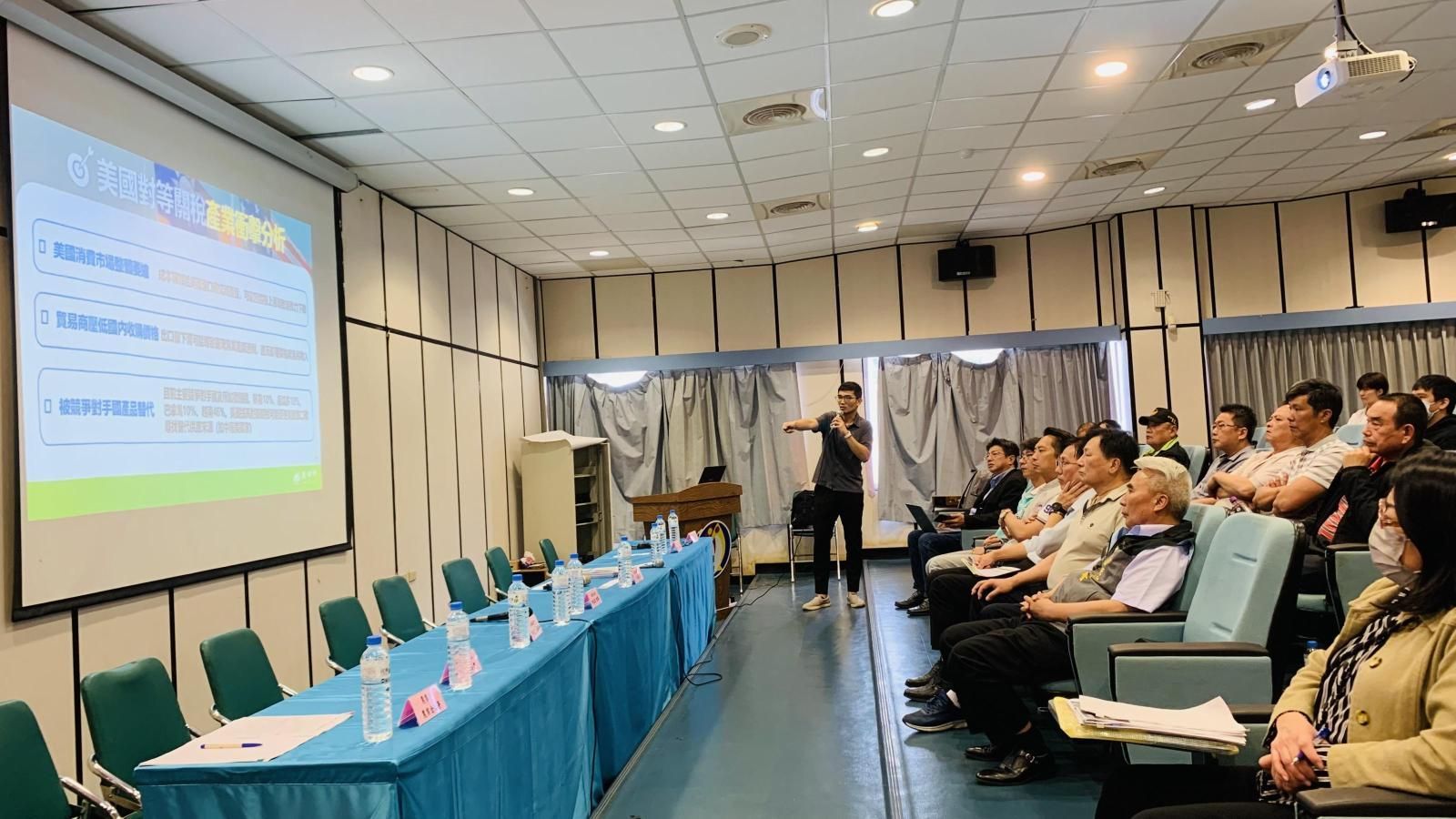
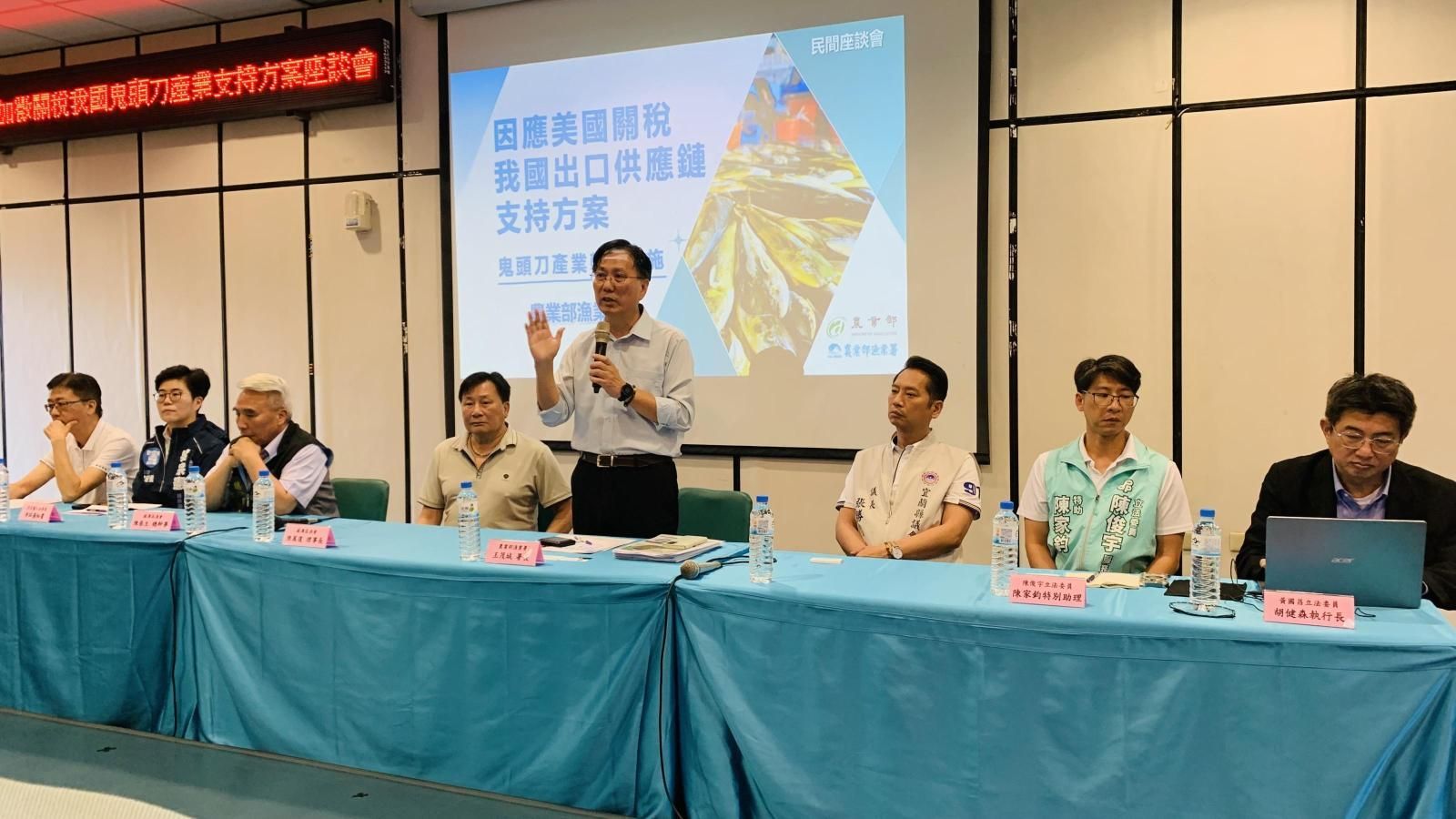
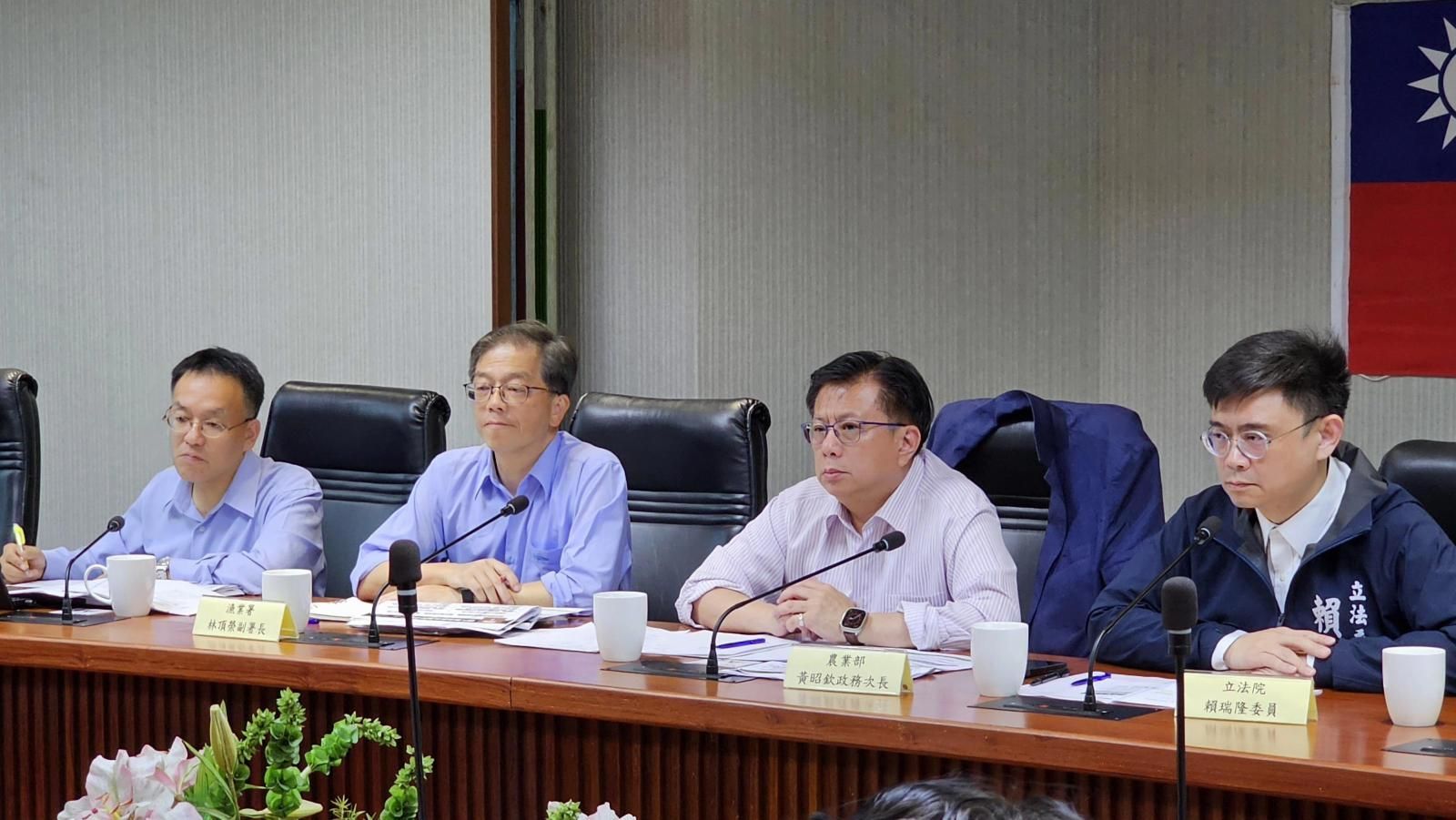
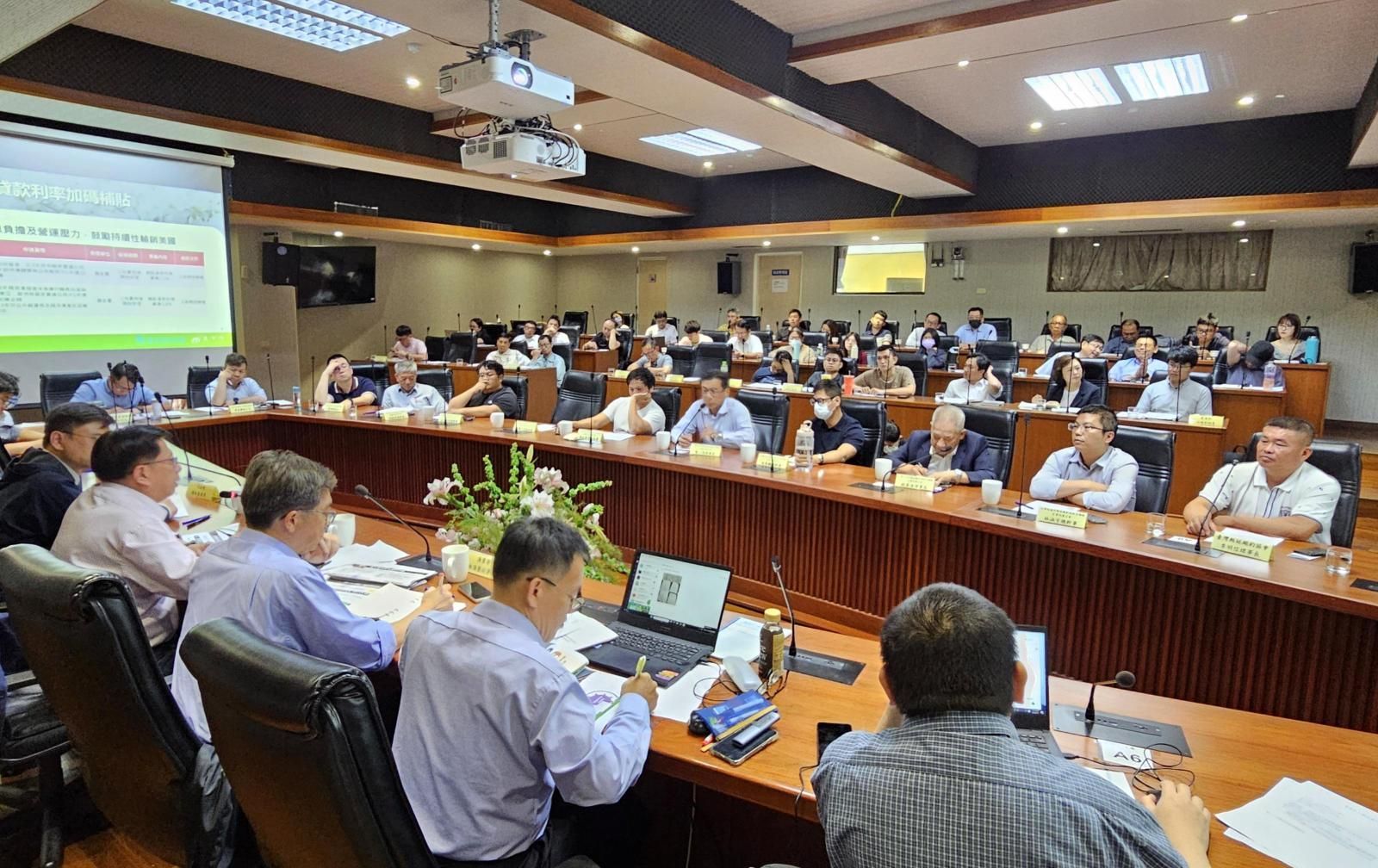
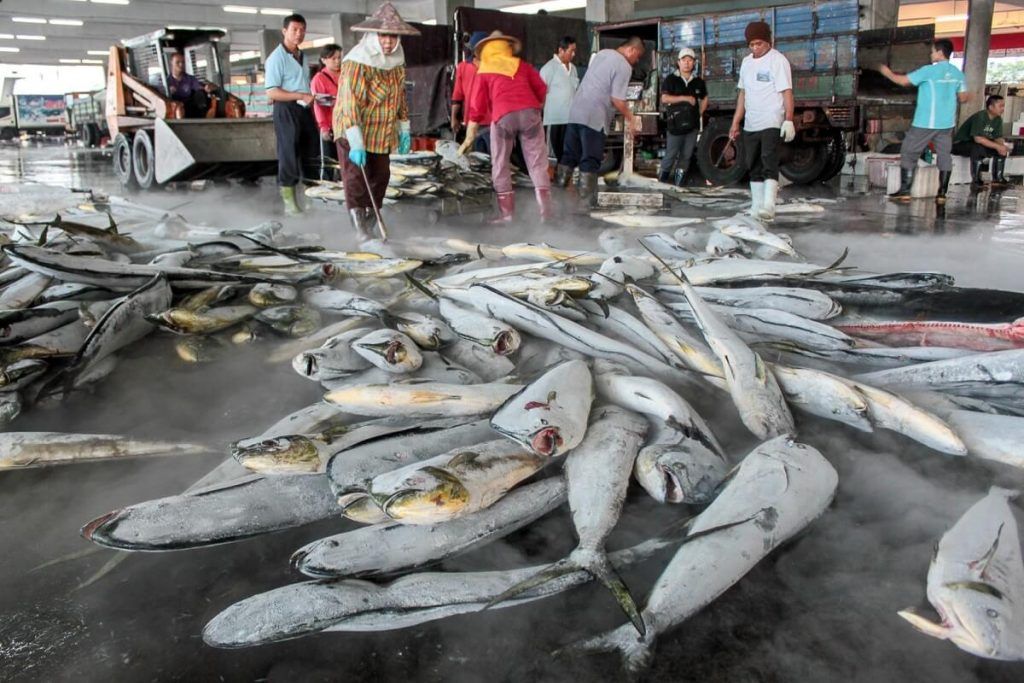
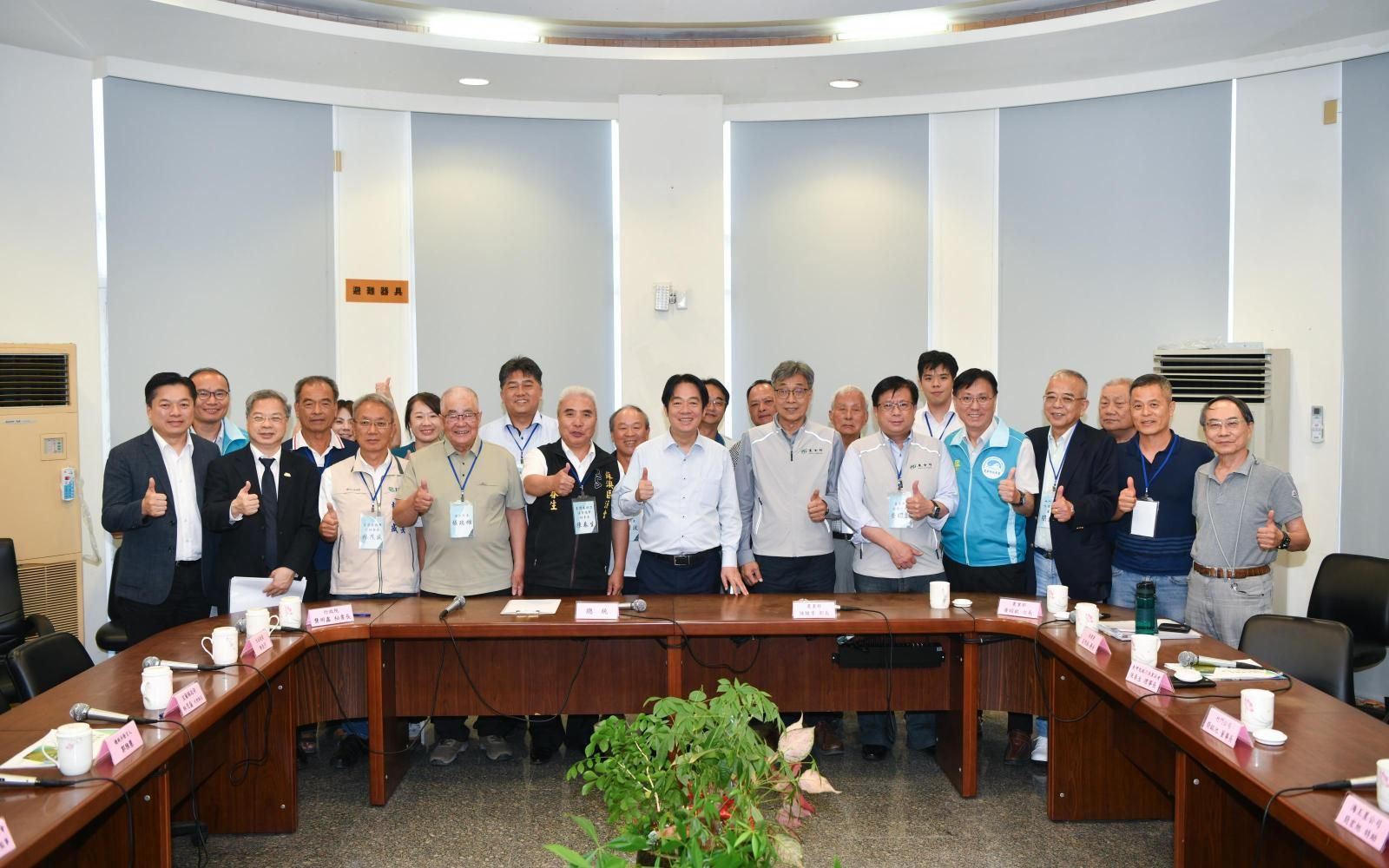
因應美國關稅調整,農業部上週提出「我國出口供應鏈支持方案」,農業部黃昭欽次長今(11)日在高雄與台灣區遠洋魷魚暨秋刀魚漁船魚類輸出業同業公會、台灣區遠洋鮪延繩釣漁船魚類輸出業同業公會、臺灣鮪延繩釣協會、台灣區遠洋鰹鮪圍網漁船魚類輸出業同業公會及遠洋漁業相關業者進行座談,漁業署王茂城署長在蘇澳與沿近海鬼頭刀業者、漁會、水產加工廠及外銷業者進行座談。農業部將持續關注美國關稅政策的後續影響,但針對受影響的輸美鬼頭刀及遠洋漁獲等出口供應鏈,農業部會給予最大的支持,協助維繫美國市場。
農業部黃昭欽次長表示,農業部第一時間已備妥產業支持方案對外公布,並透過和漁民、漁產業業者座談交換意見,了解產業界的需求,滾動檢討方案,希望真正能幫助到受影響的漁業經營者。
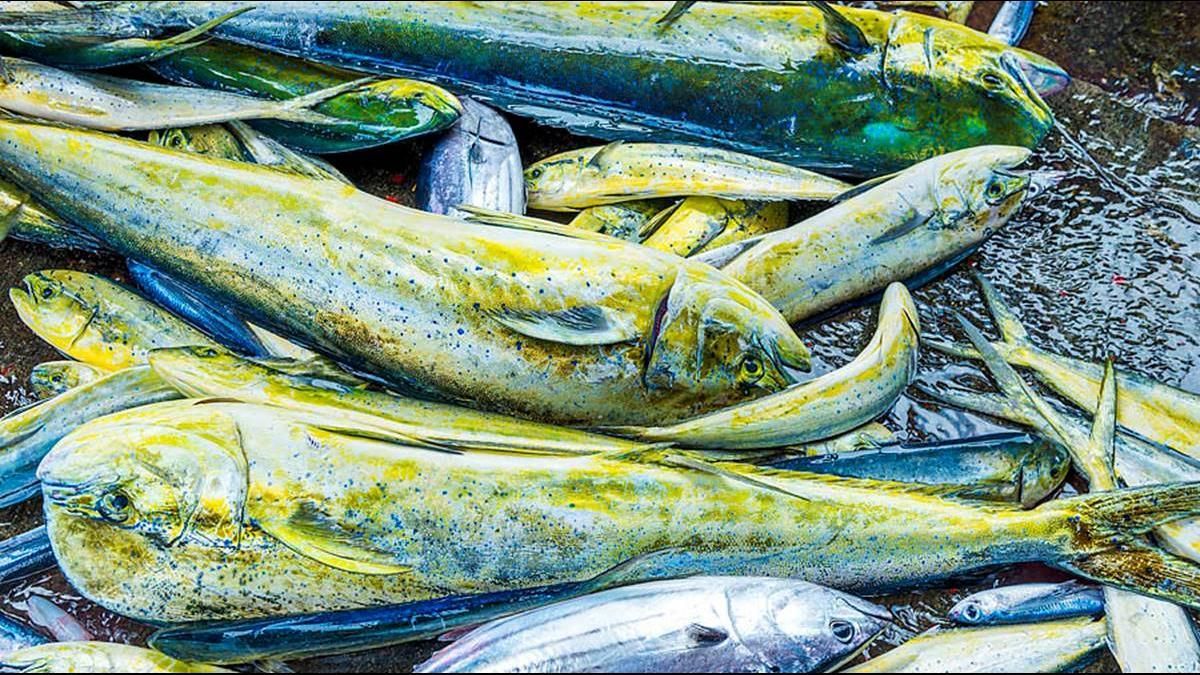
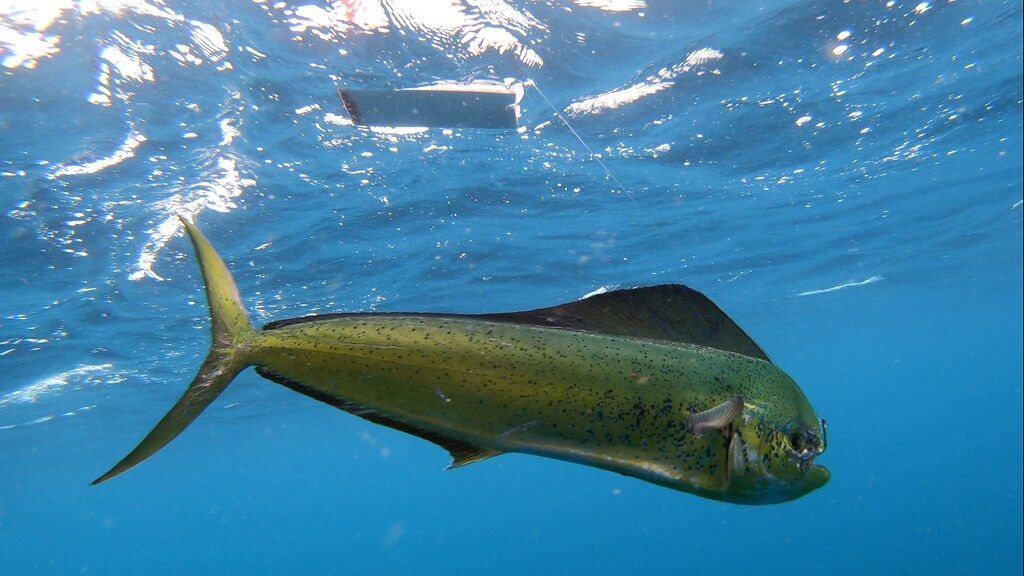
農業部表示,面對關稅調整之不確定性,以維持產業永續及糧食安全為目標,投入資源支持沿近海鬼頭刀漁業及遠洋漁業,對於生產端、加工端及通路端,給予金融支持、提升產業競爭力、開拓多元市場三大面向的六大支持措施,包括對於有輸美外銷實績或其外銷產業供應鏈之農漁業者及農企業,農業部將補貼專案農貸利息最高1.5%,最高補貼貸款額度新臺幣5,000萬元,減輕貸款利息負擔及營運壓力;為推動外銷冷鏈體系提升產品品質維持競爭優勢,優先針對受衝擊的台灣新港鬼頭刀漁業改進計畫(FIP)船隊及產銷鏈推動冷鏈設施設備升級,提升產業競爭力。
農業部表示,將輔導台灣新港鬼頭刀漁業改進計畫(FIP)船隊及遠洋漁船取得海洋管理委員會(MSC)認證或通過衛生評鑑,提升產品價值及競爭力,藉以開拓美國以外的高端市場;獎勵辦理國內行銷活動,拓展多元通路帶動國內消費;針對可能受影響品項之輸美業者研議提供外銷獎勵,鼓勵持續銷美,也將辦理海外行銷活動、媒合通路,強化臺灣農漁產品品牌形象及曝光率,協助沿近海鬼頭刀漁業及遠洋漁業產業精進升級,厚實產業競爭力與永續發展,建構韌性漁業佈局全球。
會中業者表示,本次美國關稅調整除影響直接輸美,另因鮪類目前出口市場多以越南、菲律賓、泰國及日本為主,其中越南、泰國及菲律賓多具加工與轉運功能,後續產品多數仍轉銷至美國市場。因同受美國關稅政策變動影響,越南及泰國當地業者已評估暫停購買我國所捕撈之鮪魚漁獲或調降收購價格,對我國延繩釣漁業已造成明顯衝擊,希望將透過第三國輸美亦納入支持範疇。黃昭欽次長表示,與會者所提建議將由漁業署錄案參辦,而為持續鞏固美國市場及確保供應鏈管道暢通,農業部研議之支持方案除提供金融支持及外銷獎勵等2大主軸,並透過提升生產端及產銷鏈漁獲保鮮冷鏈設備,鼓勵船隊申請MSC認證或通過漁船衛生評鑑,符合國際市場漁獲衛生安全管理及永續漁業管理標準,強化沿近海鬼頭刀漁業及遠洋漁業產業韌性。
農業部說明,辦理座談會的目的,就是希望能讓政府單位有機會說明支持方案內容,同時瞭解產業需求並廣納建言,滾動調整支持方案。此外,農業部已成立「因應美國關稅我國出口供應鏈支持方案—農業部門」諮詢專線03-9962108已於4月8日上線,服務時間為週一至週五08:30至18:00,歡迎撥打詢問相關問題。
In Response to U.S. Tariff Adjustments, Council of Agriculture Announces "Taiwan Export Supply Chain Support Program" Last Week
Council of Agriculture Deputy Minister Huang Zhao-qin today (11th) held discussions in Kaohsiung with the Taiwan Offshore Squid and Pacific Saury Fishing Vessel Fish Exporters' Association, Taiwan Offshore Tuna Longline Fishing Vessel Fish Exporters' Association, Taiwan Tuna Longline Association, Taiwan Offshore Bonito and Tuna Purse Seine Fishing Vessel Fish Exporters' Association, and related distant-water fishing industry operators. Meanwhile, Fisheries Agency Director-General Wang Mao-cheng held discussions in Suao with nearshore albacore operators, fishermen's associations, aquatic processing plants, and export businesses. The Council of Agriculture will continue to monitor the subsequent impacts of U.S. tariff policies, but for affected export supply chains such as albacore tuna and distant-water catches to the U.S., the Council will provide maximum support to help maintain the U.S. market.
Deputy Minister Huang Zhao-qin stated that the Council of Agriculture promptly announced industry support programs and exchanged views with fishermen and fishing industry operators through discussions to understand industry needs, review programs on a rolling basis, and truly assist affected fishing operators.
The Council of Agriculture indicated that amid the uncertainty of tariff adjustments, with the goal of maintaining industry sustainability and food security, it is investing resources to support nearshore albacore fisheries and distant-water fisheries. For production, processing, and distribution ends, it provides six major support measures across three prongs: financial support, enhancing industry competitiveness, and diversifying markets. This includes subsidizing up to 1.5% interest on special agricultural loans for farmers, fishermen, and agribusinesses with proven U.S. export records or in their export supply chains, with a maximum subsidized loan amount of NT$50 million, to reduce loan interest burdens and operational pressures. To promote an export cold-chain system that enhances product quality and maintains competitive advantages, priority is given to upgrading cold-chain facilities and equipment for fleets and supply chains under the impacted Taiwan Xin'gang Albacore Fishery Improvement Project (FIP), boosting industry competitiveness.
The Council of Agriculture stated it will guide Taiwan Xin'gang Albacore FIP fleets and distant-water vessels in obtaining Marine Stewardship Council (MSC) certification or passing sanitary assessments to elevate product value and competitiveness, thereby opening high-end markets beyond the U.S.; reward domestic marketing activities to expand diverse channels and boost local consumption; study export rewards for potentially affected U.S.-bound items to encourage continued U.S. sales; and organize overseas marketing events and channel matchmaking to strengthen the brand image and visibility of Taiwanese agricultural and fishery products. This will help refine and upgrade nearshore albacore and distant-water fisheries, bolster industry competitiveness and sustainable development, and build a resilient global fisheries layout.
Industry operators at the meeting noted that this U.S. tariff adjustment not only affects direct U.S. exports but also impacts tuna exports, which primarily go to Vietnam, the Philippines, Thailand, and Japan—where Vietnam, Thailand, and the Philippines often serve processing and transshipment functions, with most subsequent products still routed to the U.S. market. Affected by the same U.S. tariff policy changes, local operators in Vietnam and Thailand have assessed suspending purchases of Taiwan-caught tuna or lowering acquisition prices, causing significant impact on Taiwan's longline fisheries. They hope third-country U.S. exports will also be included in the support scope. Deputy Minister Huang responded that suggestions from attendees will be recorded by the Fisheries Agency for handling. To continue consolidating the U.S. market and ensuring smooth supply chain channels, the Council's support programs—beyond the two main axes of financial support and export rewards—will enhance production-end and supply-chain catch preservation cold-chain equipment, encourage fleets to apply for MSC certification or pass vessel sanitary assessments, meet international standards for catch hygiene, safety management, and sustainable fisheries, and strengthen the resilience of nearshore albacore and distant-water fisheries.
The Council of Agriculture explained that the purpose of these discussions is to allow government agencies to explain support program details, understand industry needs, gather broad input, and make rolling adjustments to the programs. Additionally, the consultation hotline for the "Response to U.S. Tariffs: Taiwan Export Supply Chain Support Program—Agricultural Sector" at 03-9962108 went live on April 8, available Monday to Friday from 08:30 to 18:00. Operators are welcome to call with questions.